Every year, millions of tires and rubber products reach the end of their working lives. What looks like waste to most people is, in fact, a raw material with real value. It can support new products, reduce the demand for virgin resources, and help entire industries rethink how manufacturing and the environment relate to each other.
At Pacific Sole Manufacturing, a subsidiary of Neyius Textiles, we believe the future of manufacturing won’t be defined by how much the world can produce. It will be defined by how intelligently we use what has already been produced.
Recycled rubber is a clear example of that future taking shape.
Turning Discarded Rubber Into a Manufacturing Resource
Discarded rubber is a strange kind of environmental problem. Tires and most rubber products are built for strength, durability, and long service life. Those same qualities that make them useful also make them stubborn to deal with once they’re thrown away.
But an old tire doesn’t have to mean the end of the line.
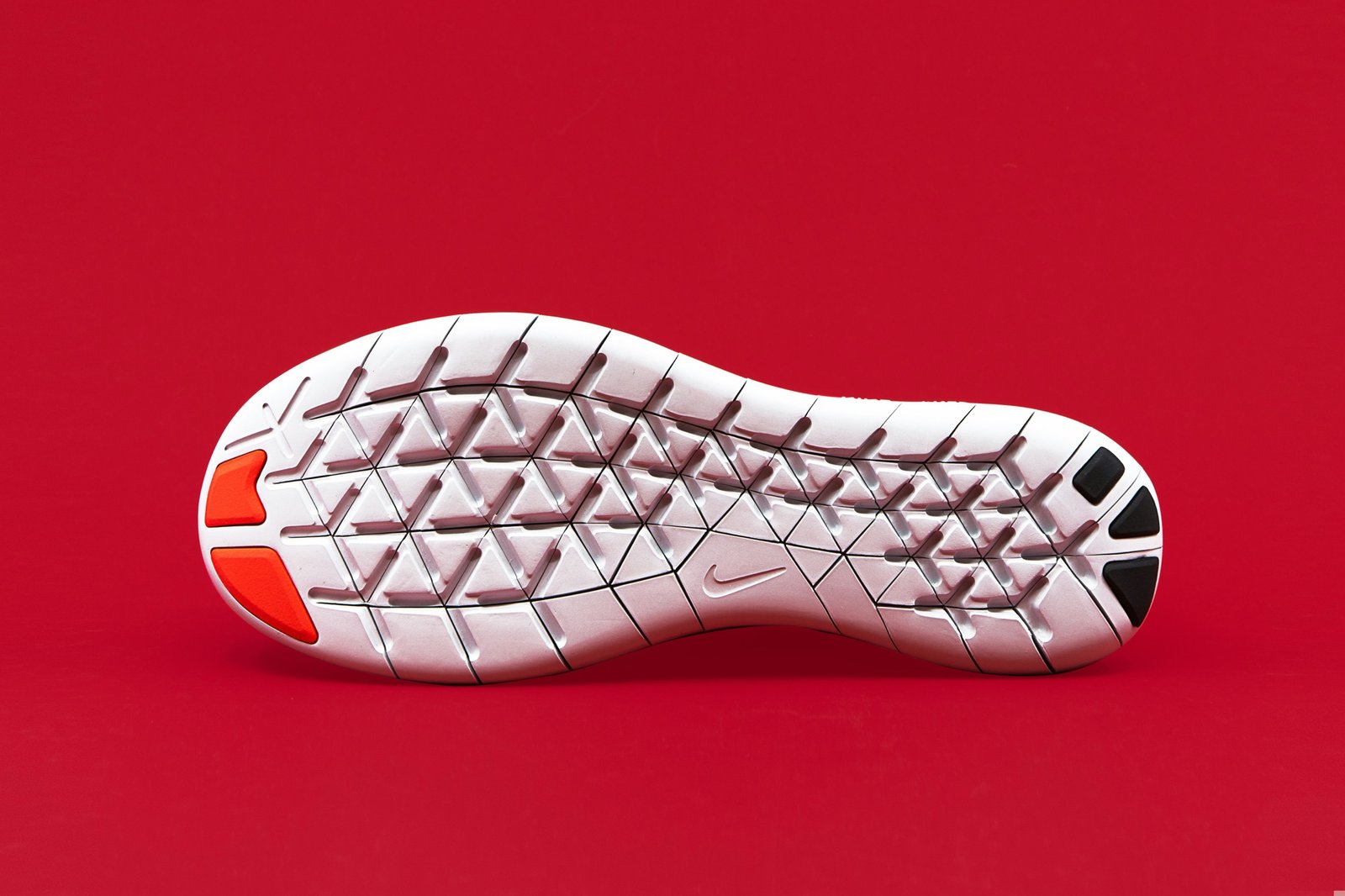
Through collection, processing, separation, and specialized manufacturing methods, recovered rubber can be turned into material suited for a wide range of uses. Depending on how it’s processed, recycled rubber can end up in flooring, construction materials, industrial components, athletic surfaces, footwear, and plenty of other manufactured goods.
That’s a real shift in how we think about materials. Waste becomes raw material, disposal becomes recovery, and the end of one product’s life can mark the start of another’s.
Why Recycled Rubber Actually Matters
The impact of recycled rubber goes well beyond keeping old tires out of landfills.
When manufacturers find responsible ways to work recovered materials into new production, they reduce reliance on virgin raw materials and build supply chains that function more like a loop than a straight line. Instead of the old take, make, use, and discard model, circular manufacturing tries to keep valuable materials in productive use for as long as it makes sense to do so.
For Pacific Sole Manufacturing and Neyius Textiles, this is part of a much bigger conversation about where global manufacturing is headed.
Sustainability can’t just be an aspiration on a slide deck. It has to show up in how products are designed, how materials are chosen, how supply chains are built, and how manufacturing decisions actually get made on the floor.
What Circular Manufacturing Really Looks Like
Picture a world where yesterday’s tire waste becomes tomorrow’s infrastructure, footwear, flooring, or industrial material. That’s the promise of a more circular economy, and it’s closer than most people realize.
Recycling rubber creates additional value from materials that already required energy and natural resources to produce in the first place. When it fits a product’s performance requirements, recovered rubber can become part of a manufacturing system built around resource efficiency rather than constant extraction.
The real opportunity isn’t just recycling more. It’s designing better systems from the start.
That means manufacturers have to ask different questions:
- Can this material actually be recovered?
- Can it be processed into another useful application?
- Can products be designed with their next life in mind, not just their first?
- Can manufacturing innovation cut unnecessary waste without sacrificing quality or performance?
Those questions are already reshaping industries around the world, and rubber is a good place to see it happening.
Innovation Starts With Seeing Value Where Others See Waste
Some of the most useful innovations start with nothing more than a change in perspective.
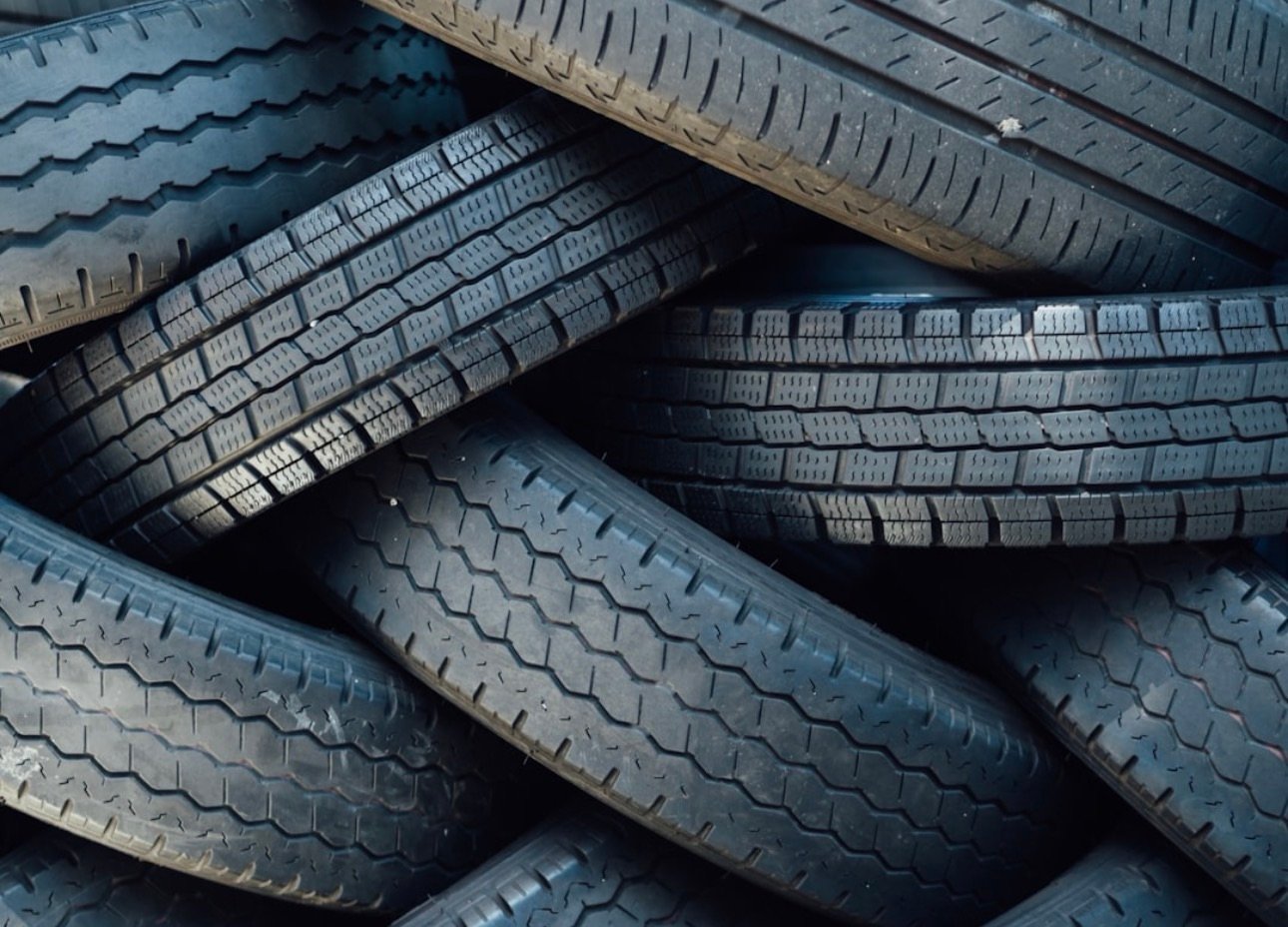
A pile of discarded tires can look like a waste problem, or it can look like a reservoir of material waiting for its next purpose. It depends on who’s looking at it.
At Pacific Sole Manufacturing, we think responsible manufacturing takes imagination. The real challenge in modern industry isn’t just making more. It’s figuring out how to make things more intelligently, efficiently, and responsibly than the process before it.
As part of Neyius Textiles, Pacific Sole Manufacturing operates within a broader manufacturing organization focused on where production is headed and what becomes possible when industrial capability is paired with real innovation.
Recycled rubber shows what happens when manufacturers stop treating waste and raw material as opposites.
A Global Opportunity, Not a Local One
The potential of recycled rubber matters because the challenge behind it is global.
Communities all over the world generate discarded tires and rubber waste. At the same time, growing economies need materials for transportation, construction, infrastructure, consumer goods, and industrial development. Those two realities are connected, whether or not the systems around them recognize it yet.
Building stronger systems for recovering and reusing materials is how that connection gets made.
The future of sustainable manufacturing depends on cooperation across industries, governments, researchers, recyclers, suppliers, manufacturers, and consumers. No single company can build a circular economy on its own. But every organization can contribute by taking a hard look at where its materials come from, how they’re used, and what happens to them once they’re done.
For Neyius Textiles and Pacific Sole Manufacturing, that’s part of a larger vision for manufacturing, one where innovation and responsibility aren’t competing priorities but work together.
Recycled Rubber Can Change the World, One Material at a Time
Can recycled rubber alone solve the world’s environmental problems? No.
But changing the world rarely comes down to a single solution.
It comes from millions of better decisions: recovering instead of discarding, reimagining instead of overlooking, and recognizing that materials once written off as waste can still hold enormous value.
A tire that’s reached the end of the road hasn’t necessarily reached the end of its usefulness.
That’s the real possibility behind recycled rubber. It pushes us to reconsider what we throw away, rethink how we manufacture, and imagine an industrial future measured not just by what we create, but by how wisely we create it.
At Pacific Sole Manufacturing, a Neyius Textiles company, we believe the future belongs to manufacturers willing to see possibility where others see waste.
Sometimes changing the world starts by giving something a second life.